Introduction
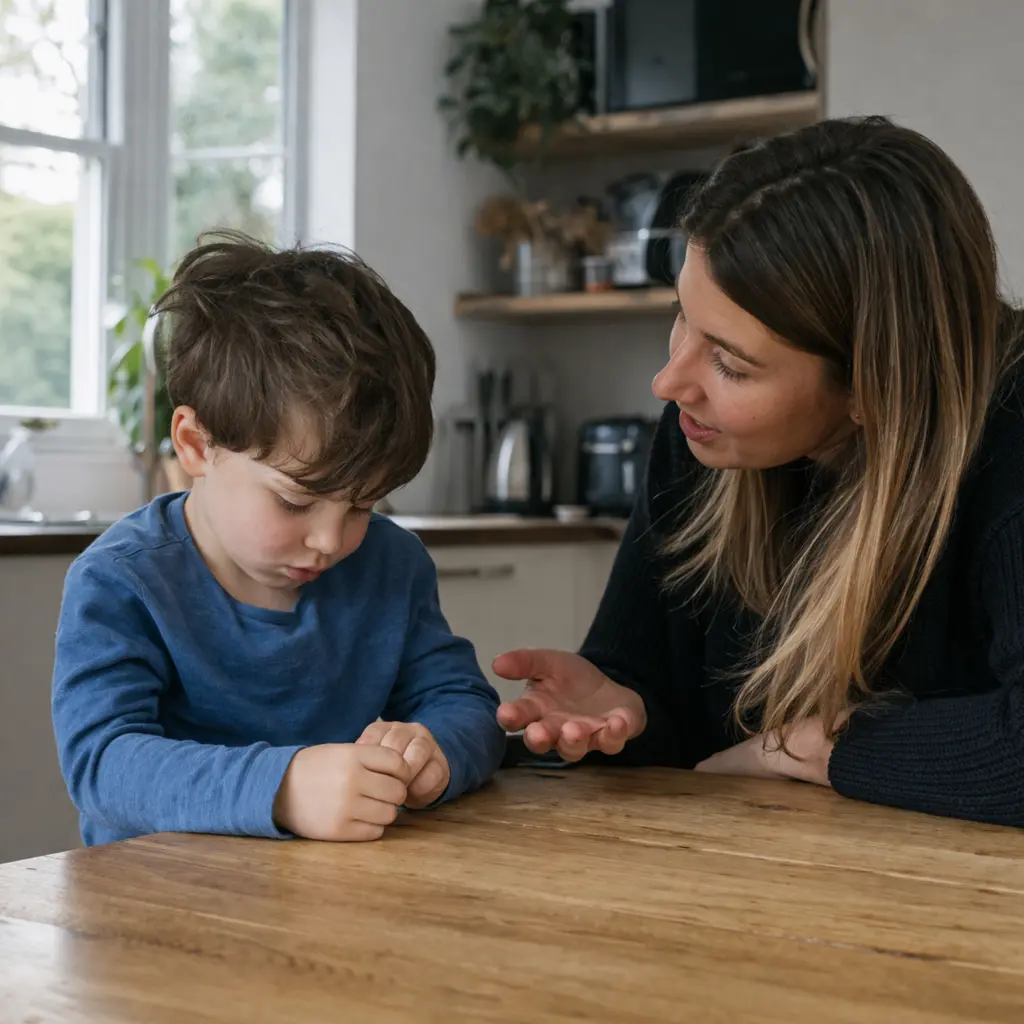
It can be quietly unsettling when your child consistently looks away during conversation, shows little interest in engaging with others, or seems to retreat from social situations that other children appear to manage with ease. As a parent or carer, your instinct is to understand why, and that instinct is worth following. Avoidance of eye contact and social interaction is more common than many families realise, and the reasons behind it are rarely as simple as shyness or stubbornness. Speaking with a paediatric therapist is often the clearest way to understand what lies behind it.
Is Avoiding Eye Contact Always a Cause for Concern?
Not every child who avoids eye contact has an underlying difficulty. Some children are naturally reserved, take longer to warm up in new situations, or find sustained eye contact uncomfortable without this pointing to anything clinically significant.
Context matters enormously. A child who makes limited eye contact at home but engages well with peers at school presents very differently from a child who consistently withdraws across all settings. Eye contact norms also vary across cultures, individual temperament, and family environments, which is why the behaviour always needs to be understood within the broader picture of how the child is functioning overall.
Common Reasons Why Children Avoid Eye Contact or Social Interaction
There is rarely a single explanation, and many children present with more than one contributing factor. The following are amongst the most frequently identified causes seen in paediatric practice across the UK.
Autism Spectrum Condition
Social communication differences, including reduced eye contact, limited response to social cues, and a preference for solitary activity, are recognised features of autism spectrum condition. Avoiding eye contact alone is not sufficient to indicate autism. Professionals look for a broader pattern of social communication differences across multiple settings before any assessment conclusion is reached.
Social Anxiety
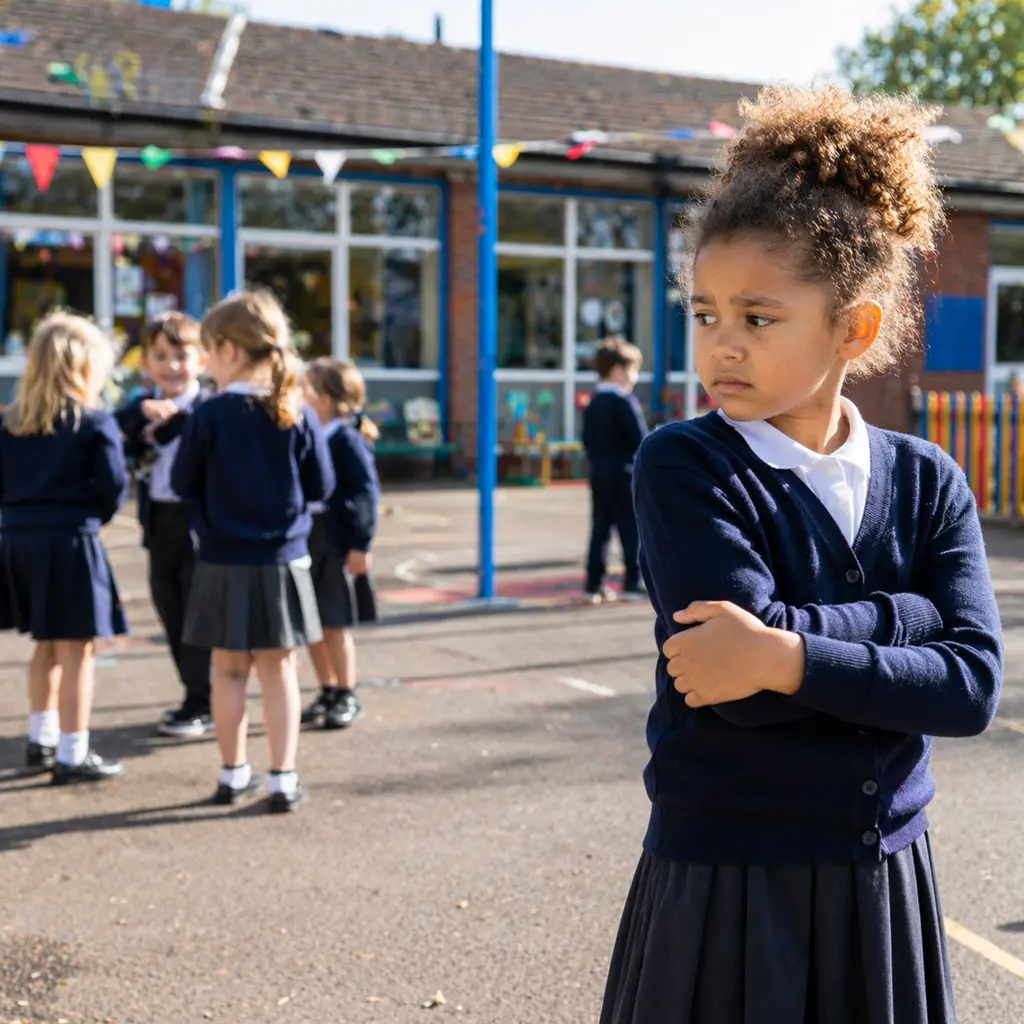
A child experiencing social anxiety may avoid eye contact because direct gaze feels exposing or overwhelming, particularly with unfamiliar adults or in group settings. This can present as reluctance to join in at school, withdrawal from peer interaction, or visible distress in situations where the child feels observed. Left unaddressed, social anxiety tends to narrow a child’s world gradually and quietly.
Sensory Processing Differences
For some children, eye contact is genuinely uncomfortable at a sensory level. The intensity of direct gaze can feel overwhelming for children with sensory processing differences, triggering discomfort that has nothing to do with social interest or willingness to connect. These children may engage warmly through conversation without direct gaze or parallel play, while consistently finding eye contact itself difficult to sustain.
ADHD and Attention Difficulties
Children with ADHD may appear to avoid eye contact because sustaining focused attention during conversation is genuinely difficult for them. This is not social disinterest or deliberate rudeness. It reflects the attentional challenges central to ADHD, and is frequently misread in ways that can unfairly affect a child’s social reputation and self-confidence.
Communication Delays and Difficulties
Children experiencing communication delays may withdraw from social interaction because it feels effortful or unrewarding. When a child struggles to process language, follow conversational turns, or express themselves clearly, social engagement can become a source of frustration rather than connection. Reduced eye contact in these children is often a secondary response to an underlying communication difficulty rather than a primary social problem.
Emotional Discomfort and Low Self-Esteem
Children who are feeling anxious, ashamed, or low in confidence may avoid eye contact as a protective response. This can emerge following a difficult social experience, bullying, a significant life change, or as part of a more gradual pattern of low self-worth. In these cases, addressing the underlying feelings is what makes the lasting difference rather than focusing on the eye contact behaviour itself.
How This Behaviour Affects Daily Life
When a child consistently avoids eye contact or withdraws from social interaction, the impact can spread across multiple areas of life in ways that are not always visible to the adults around them.
In the classroom: Children who struggle with social engagement may find group work, classroom discussion, and peer relationships genuinely difficult. When teachers misread the behaviour as inattention, it can quietly erode academic confidence alongside social confidence. Reduced participation may also relate to low energy or fatigue during the school activities, and understanding the reasons behind this can offer further insight into overall engagement.
In friendships: Difficulty initiating interaction, reading social cues, or sustaining eye contact during play makes forming and maintaining friendships considerably harder, increasing the risk of isolation and compounding any emotional difficulties already present.
At home: Family interactions can become strained when the reason behind a child’s social withdrawal remains unclear, and parents can find it difficult to connect in the way they would like to.
What You Can Do to Support Your Child
There are practical steps parents and carers can take at home and in collaboration with school while a clearer picture is being established.
- Avoid demanding eye contact, as this consistently increases anxiety and makes the behaviour harder to shift
- Create low pressure opportunities for social engagement such as one to one play, where your child can connect at their own pace
- Use shared activities such as drawing, cooking, or walking as a backdrop for natural conversation, where communication happens without eye contact being the focus
- Speak with your child’s school or nursery about what they are observing and whether any support is already being considered
- Acknowledge your child’s feelings around social situations openly, as children who feel understood are more likely to engage
- Reflect on whether a recent change or difficult experience may be contributing to increased withdrawal
When to Seek Professional Support
If your child’s difficulties are persistent, present across more than one setting, or causing visible distress, a professional assessment is the right next step. If you are unsure whether to continue monitoring or seek support, guidance on when to wait and when to pursue therapy can help clarify the decision.
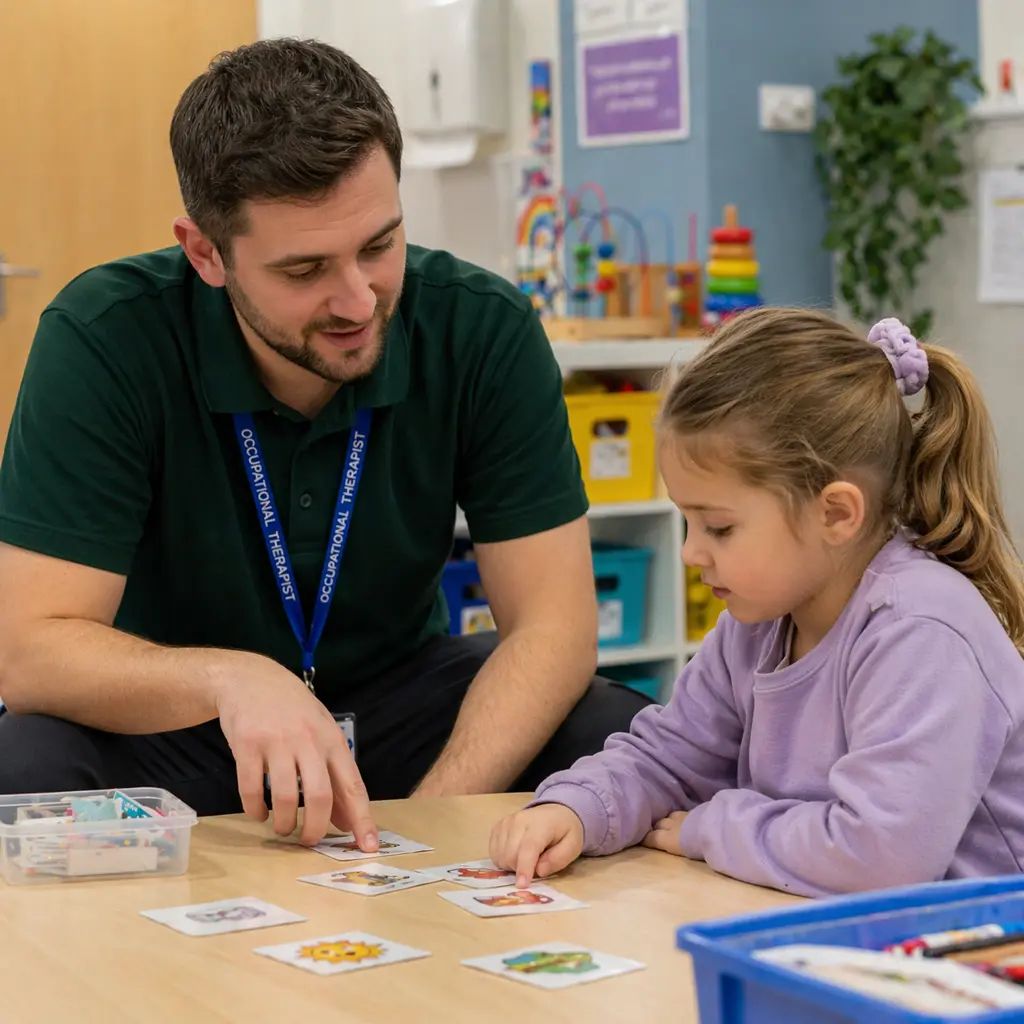
A paediatric occupational therapist can assess sensory processing, social participation, and communication skills, identifying where support is needed and whether onward referral would be helpful. At PT Kids, our occupational therapy team works with children, helping families understand what is driving their child’s social difficulties and putting practical, individually tailored strategies in place. You do not need a diagnosis or a formal referral to get in touch, and speaking with our team is a helpful and pressure-free first step.
Conclusion
Eye contact and social interaction difficulties in children are rarely straightforward, and the causes are almost always more layered than they first appear. With the right professional guidance and practical support at home, children can develop greater confidence, stronger communication skills, and a more comfortable relationship with the social world around them. If you have concerns about your child’s social development, PT Kids is here to help you take the right next step with experienced, honest, and child-centred care.